
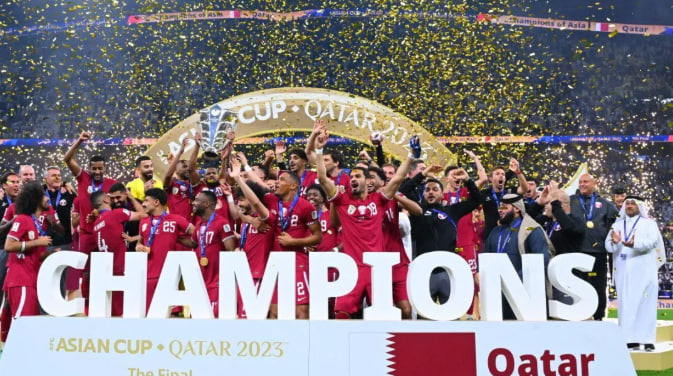
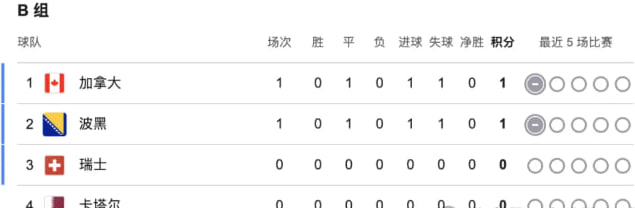
The group also includes Switzerland, Canada, and Bosnia and Herzegovina. Compared to their competitors, Qatar is at a disadvantage in terms of both world ranking and overall squad depth. For this team, the biggest task in the group stage is not to dominate the games, but to drag them into their familiar rhythm.
I. Coach Lopetegui: Idealistic Possession Football, Realistic Execution Challenges
Coach Lopetegui has a wealth of coaching experience. He has managed the Spanish national team, Real Madrid, Sevilla, and Premier League teams. His tactical philosophy highly emphasizes ball possession, positional awareness, and back-to-back play, hoping to advance the game through continuous midfield passing.
However, this philosophy inherently presents certain contradictions when implemented in the Qatari team. Qatari players have long relied on the Aspire youth academy and the domestic league for development, resulting in decent team chemistry. However, their game pace and physical strength still lag significantly behind European teams.
Their theoretically advanced passing and possession system is impressive, but whether the players can consistently execute high-quality passes and possession remains to be seen.

II. The core of their Asian champion squad remains, but their ceiling is not easily surpassed.
Qatar has largely maintained the core players from the past two Asian Cups. This continuity brings chemistry and execution, but also means a relatively limited pace of player turnover.
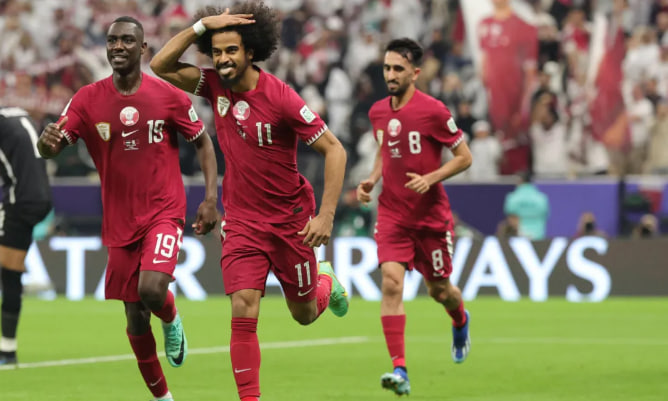
The attack still revolves around two key players. Afif remains the team's most creative player. Whether dribbling, key passes, or set-piece decisions, he is the team's most important attacking engine and the player most likely to change the course of a game.
Almoez Ali plays the center forward role. However, his form has been inconsistent in recent years, directly impacting the team's finishing efficiency.
Recent warm-up matches show that Qatar's overall attack still relies heavily on the individual performances of their key players, with no significant improvement in their overall chance creation.
III. The Real Problem: Easily Loses Control Under High-Intensity Press
Compared to their attack, Qatar's greater vulnerability lies in their defense. The team's recent overall form has been less than ideal. They only managed a 0-0 draw against El Salvador, and their problems are even more pronounced against European teams. Both the 0-1 loss to Ireland and the 1-4 defeat to Russia exposed the same issue: when the pace of the game picks up and physical contact intensifies, Qatar's backline passing system becomes easily disrupted.
Increased errors in the midfield and defense. Insufficient lateral movement speed. Inadequate timely covering and support. These problems might not be as pronounced in Asian competitions, but they are often targeted repeatedly in World Cup-level matches.
IV. The Asian Champions Need to Prove Themselves Again at the World Cup
Qatar's biggest asset in recent years has been their Asian Cup title. However, the World Cup and the Asian Cup are two completely different competitive environments. The World Cup presents a faster pace, stronger physicality, and more sophisticated tactical systems.
For Qatar, the biggest question in this World Cup is not whether they can play beautiful football, but whether they can prove their ability to compete consistently on the World Cup stage. Afif's creativity, the chemistry of the veteran squad, and overall execution remain their greatest strengths.
However, if they cannot solve their passing problems under high-intensity pressure, creating a surprise in Group B will still be quite difficult for this team.
V. In Conclusion
If Qatar can defeat Switzerland in the first round, the entire qualification landscape of Group B will be reshaped. As the team widely considered the weakest in the group before the tournament, a win would not only give them control of their qualification but also put all the pressure on the other teams.
For Qatar, this match may not just be a group stage game, but a 90-minute game that could determine the fate of the entire World Cup.
Whether the Asian champions can create another surprise will soon be answered.
Recommended players to watch: players number 0 and 1, Akram Afif.